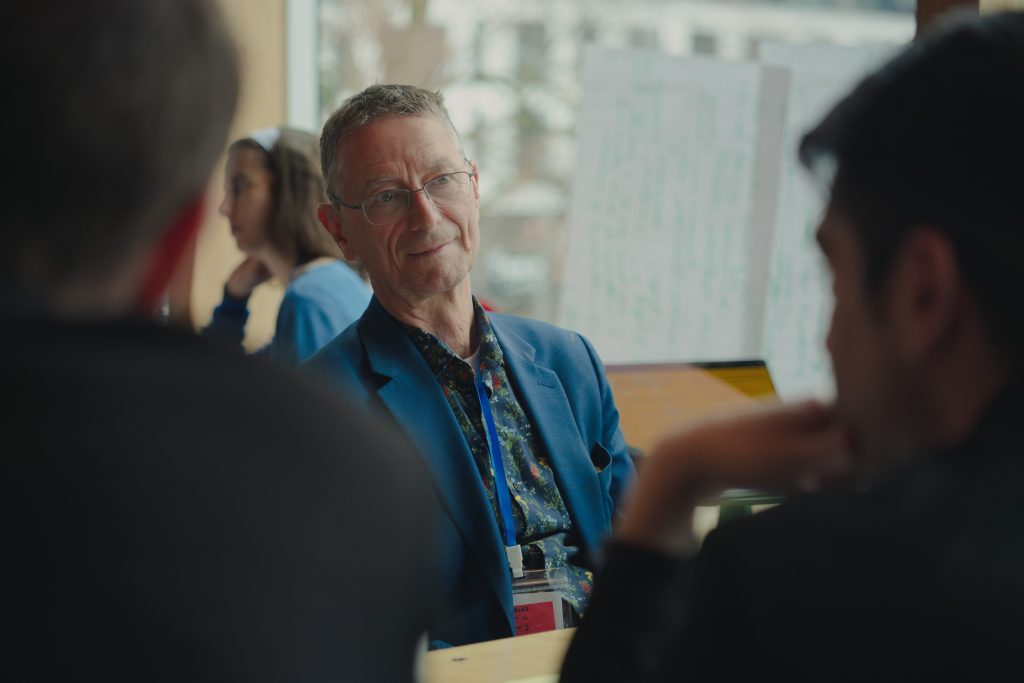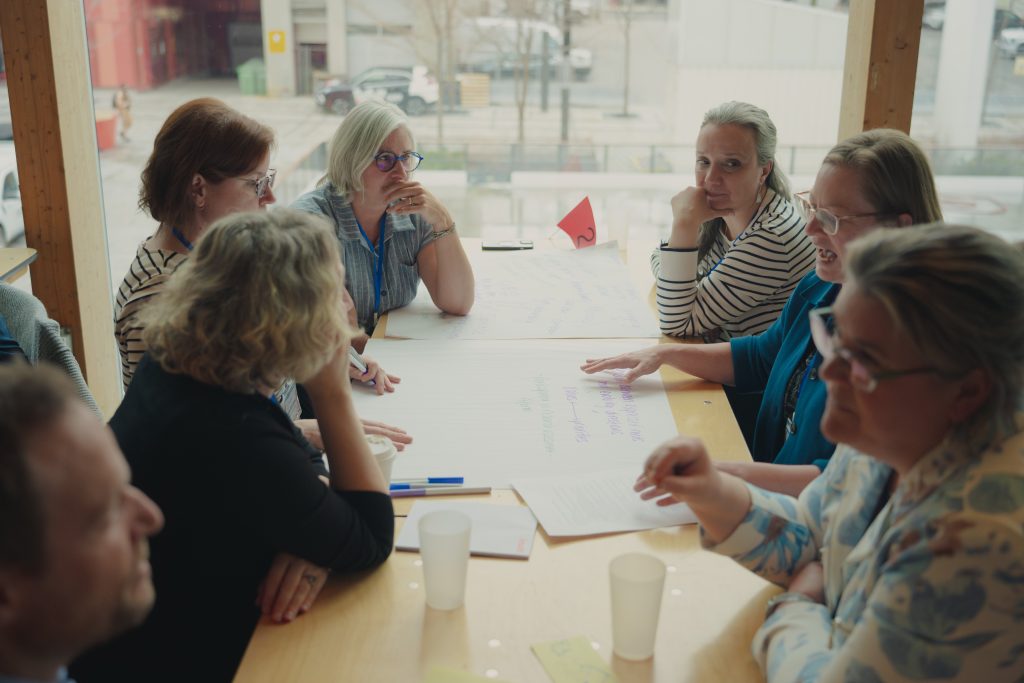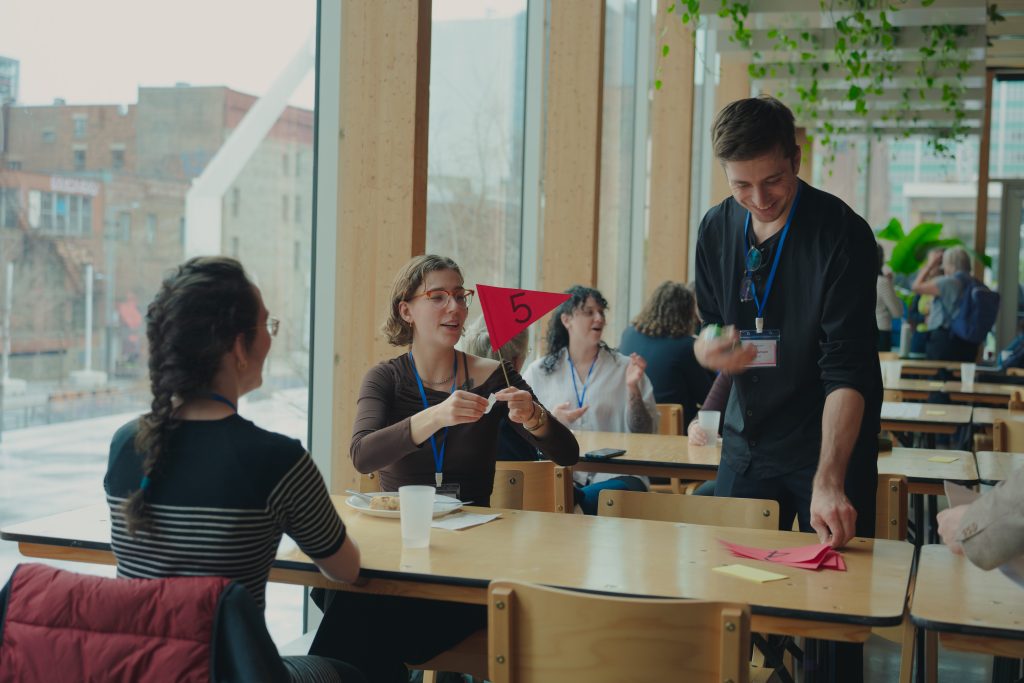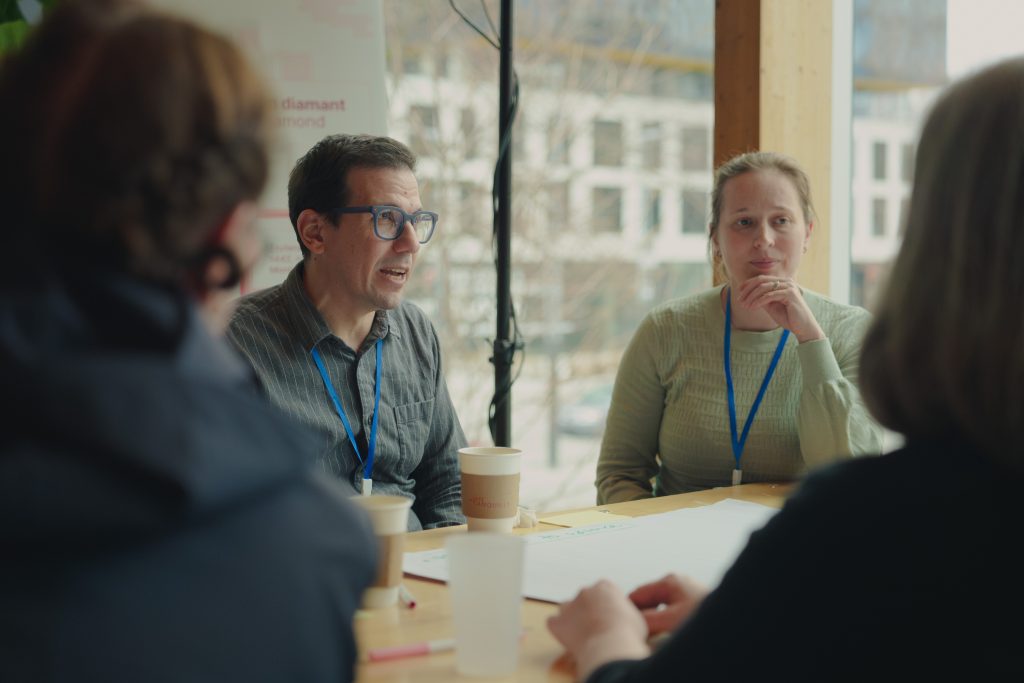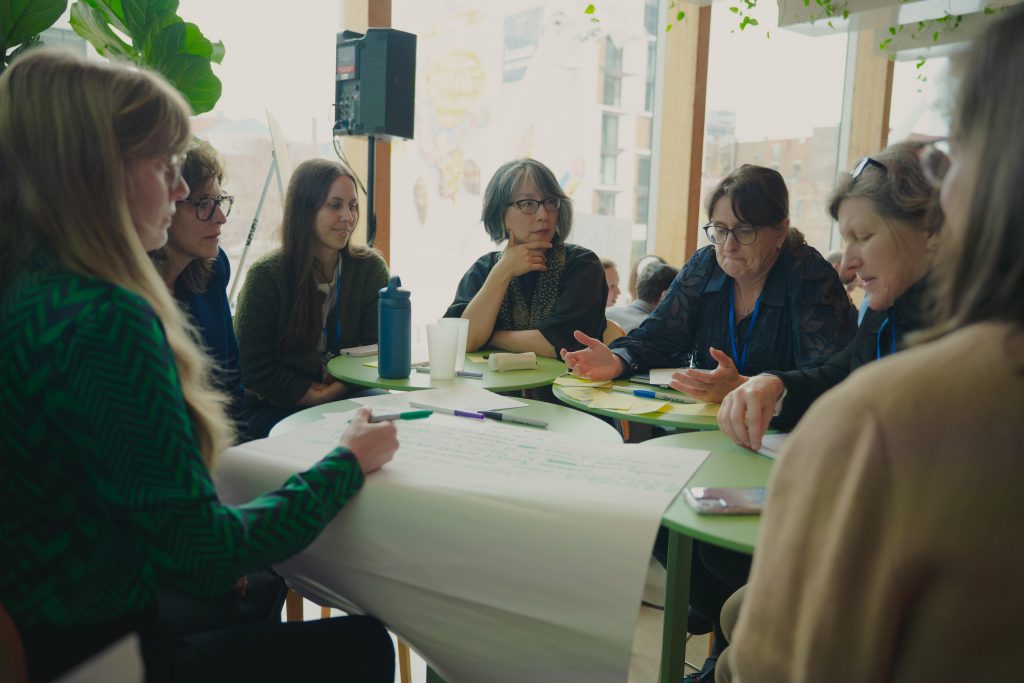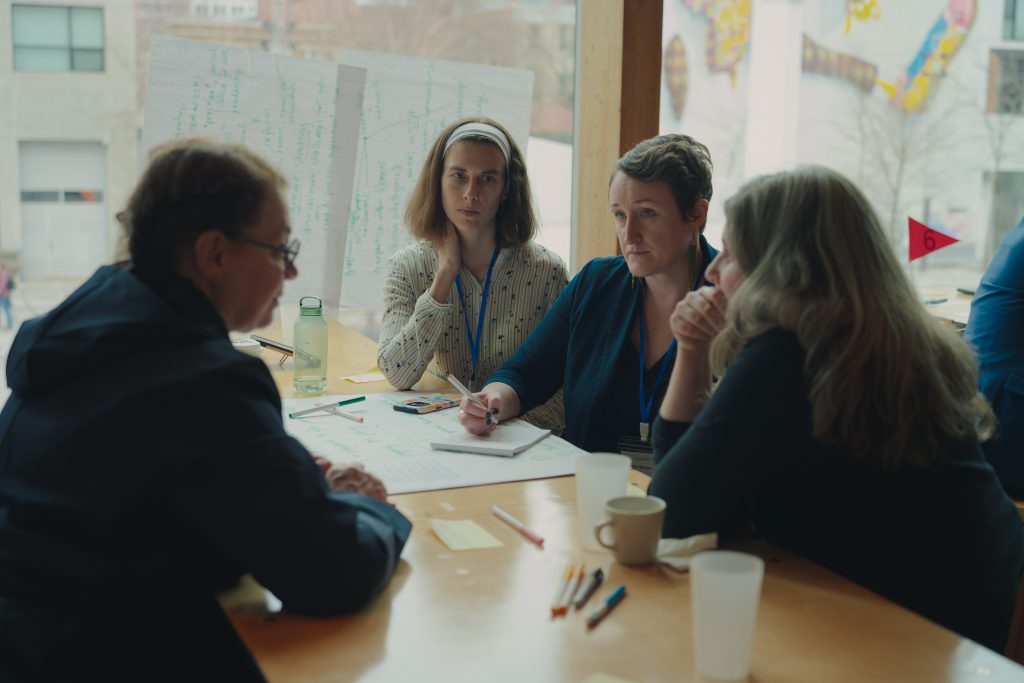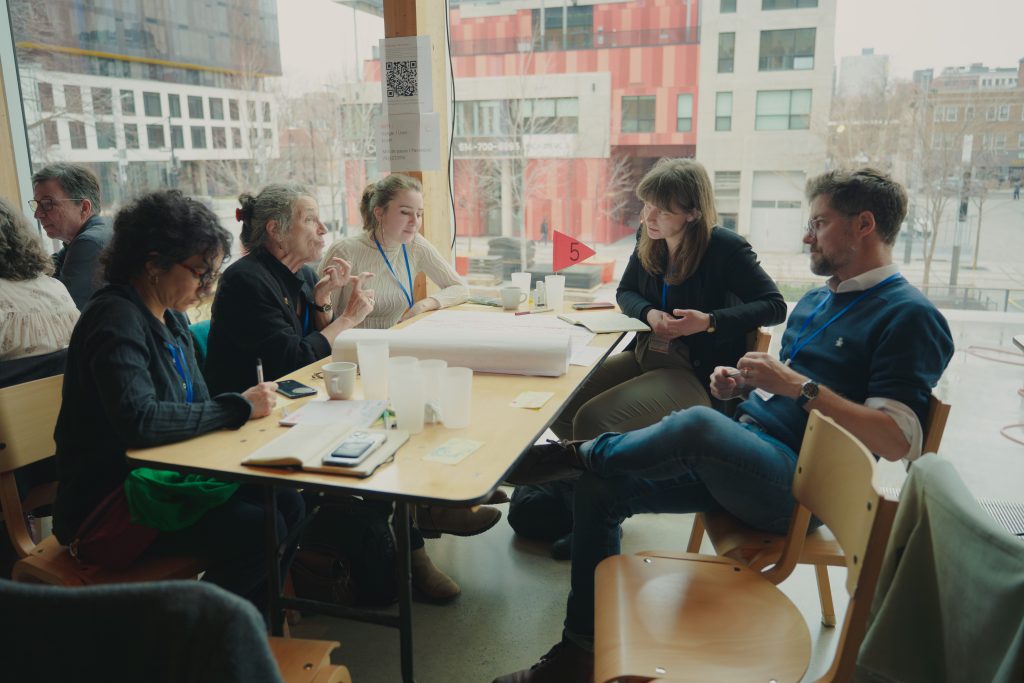
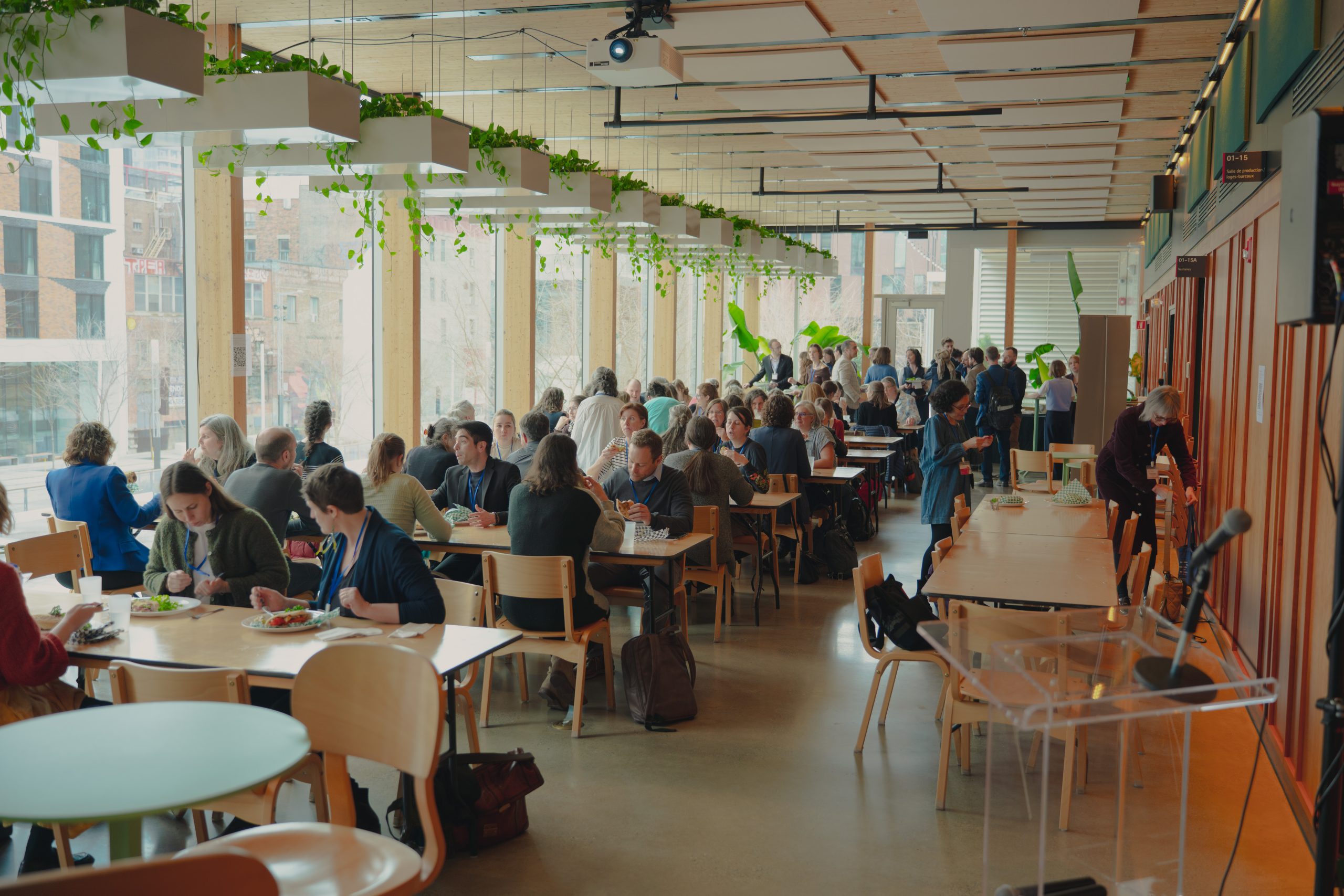
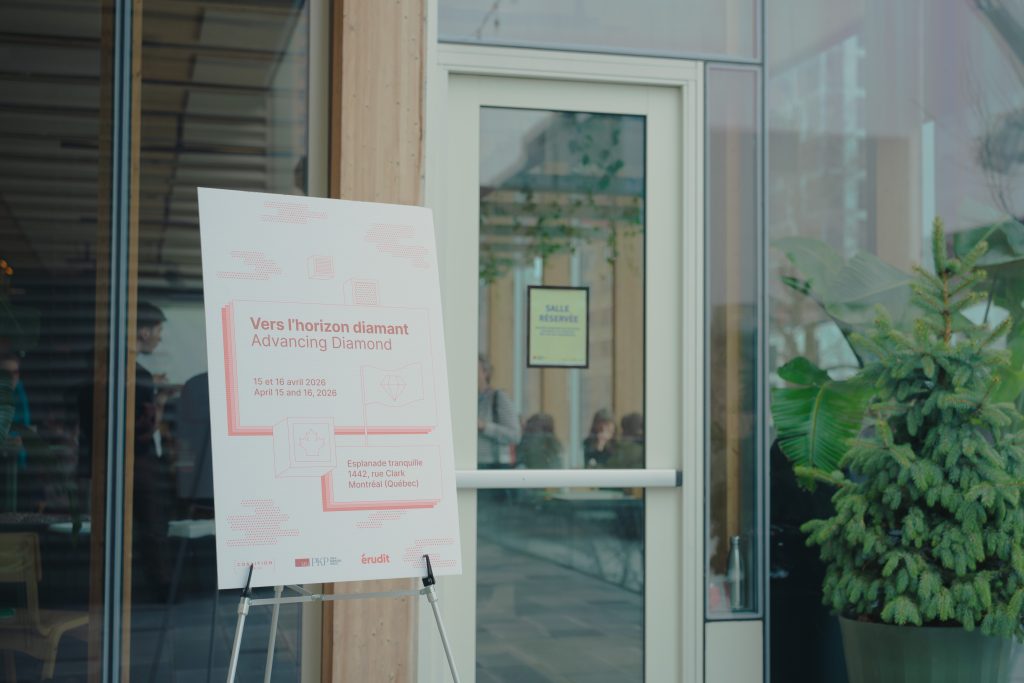
On April 15 and 16, 2026, part of the Canadian community engaged in diamond open access publishing gathered in Montréal for Advancing Diamond / Vers l’horizon diamant, an event organized by Coalition Publica.
In addition to allowing us to share our common goals and the challenges we face in advancing diamond open access, this gathering proved to be fertile ground for identifying innovative solutions tailored to our particular contexts.
| In a nutshell, diamond open access is a model for publishing scholarly research that is free for both readers and authors, with costs covered by the research community and governments through institutional contributions, public grants, and cooperative funding models. Diamond open access journals are non-commercial and rooted in the research community. Learn more by reading our Statement on Diamond Open Access. |
A Strong, Pan-Canadian Community
Bringing together nearly 80 representatives from institutions across Canada that are involved in research and scholarly publishing including journal editors and managers, researchers, funders, decision-makers, librarians, and infrastructure providers, the event was designed to create opportunities for lasting and strategic connections, in the spirit of the diamond open access movement, which is characterized by the values of openness and collaboration.
“What a pleasure it was to work on this event. I heard many folks comment on how much energy and enthusiasm they are taking away, and I think coming together like this was a galvanizing moment for our community!”
— Sonya Betz,
Head, Open Publishing Services, University of Alberta
A Portrait of Diamond OA in Canada
As the first event of its kind in Canada to bring together stakeholders in diamond OA at a national level, it was imperative to establish a shared understanding of the current state of diamond open access in Canada, as well as to identify the distinct roles played by the various sectors contributing to the advancement of the movement.
As the first presentations of the day demonstrated, the diamond open access landscape is vast and vibrant. Of the 960 scholarly journals currently active in Canada, 600 operate under the diamond open access model.
These journals play an important role in advancing Canadian scholarship both nationally and internationally as they feature the highest proportion of Canadian authors, in comparison to commercial publishers, yet are accessed primarily (51%) from abroad.
Learn more about the Canadian landscape and the actors that support it by consulting our speakers’ presentations: https://zenodo.org/communities/coalitionpublica/
Challenges to Address
Coming from coast to coast and involved at different levels in scholarly publishing, participants converged on a few key challenges to tackle:
- Working toward a research and publishing culture that values societal impact rather than prestige, a challenge relevant to all disciplines;
- Continuing to advance editorial work such as improving metadata and multilingualism, to enable diverse publishing practices that foster dialogue and collaboration;
- Stable funding for the advancement of diamond open access in Canada to have the means to match our ambitions and continue contributing to the global diamond movement.
Community Solutions
Beyond the challenges identified, the consultation sessions also gave rise to creative and thoughtful solutions, particulary on the technological front and on pooling of resources and initiatives.
Strategically, the idea of extending the reach of diamond open access beyond social sciences and humanities disciplines came up frequently, as did the need to convey a message that is more coherent and more firmly grounded in the practical realities of the ecosystem.
Looking to the Future
Buoyed by the enthusiasm generated by this first event, Coalition Publica is proud to have brought together these stakeholders, who were able to discuss and align on next steps. A formal report of the event is in preparation and we look forward to sharing with the community in the fall.
Participants also expressed strong support for a second national meeting to advance diamond and several people who attended the event presented themselves as volunteers to coordinate the way forward. We are excited to convene another event in the future and will be seeking additional community input as we shape it.